
Back to homepage

Consumer Goods / Enterprise

The Hershey Company

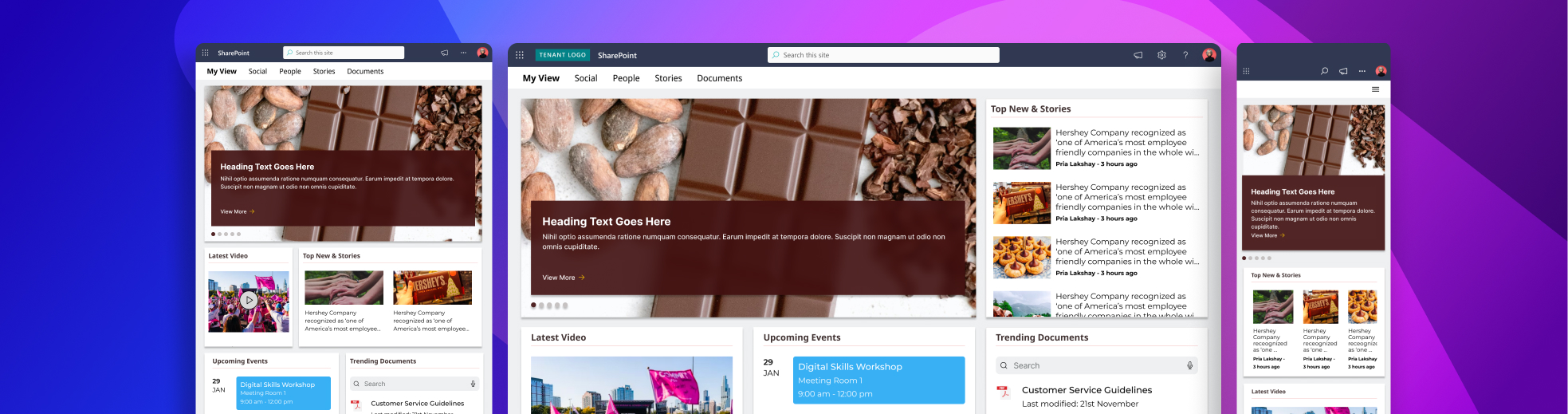
Hershey had employee research for their enterprise intranet but nobody to turn it into a product. Translated it into an information architecture grounded in employee mental models and a prototype that surfaced the decisions the client had not yet made.

EnterpriseIntranetCMS System
The Hershey Company

The challenge

The Hershey Company was rebuilding their enterprise intranet. An external research team had already completed employee interviews and produced an affinity diagram consolidating their findings. Employee personas had been developed. The research existed. What did not exist was anyone who could translate it into a product. Researchers deliver insights and stop. Taking those insights and turning them into a navigation structure, a content model, and a working prototype is a different kind of work entirely. Hershey's workforce was genuinely diverse in how and where people worked: some on farms with mobile devices, others at desks, sales staff on the road with laptops. The intranet had been scoped as a technology problem. It was actually a content and information architecture problem that nobody had started solving yet.

The approach

I started by creating a digital version of the affinity diagram, moving the whiteboard clusters into a structured mind map that made the research navigable and usable as a design input. From there I applied a mental model approach, identifying the overarching goals and information needs that cut across the different employee personas. With the mental model as a foundation, I ran a card sorting exercise using the dominant topics and content themes that had emerged from the research, having Hershey employees sort those cards to identify which topics belonged together in their own mental model, not in the agency's mental model or the technology team's. The card sorting results became the basis for the information architecture: a taxonomy grounded in how employees actually thought about their work. With the taxonomy established, I moved into prototyping. As I worked through what content should appear where, it became clear that nobody had defined what types of content the intranet should contain, who in the content team would be responsible for each type, or what a sustainable content production workflow would look like.

The outcome

The agency had research they could not use. They left with an information architecture grounded in employee mental models, a prototype that made the product concept tangible and presentable, and a clear picture of the content strategy work that needed to happen before implementation could begin. Hershey had commissioned an intranet. What they got was a clearer understanding of what building that intranet actually required, including decisions about content ownership and production that nobody had considered before the prototype made them unavoidable. That kind of clarity, surfacing the problems a project has not yet accounted for before they become expensive surprises during implementation, is often the most valuable output a consultant can deliver.

More work

Guardian Alliance Technologies

Regulated SaaS / Public Safety

Guardian Alliance Technologies

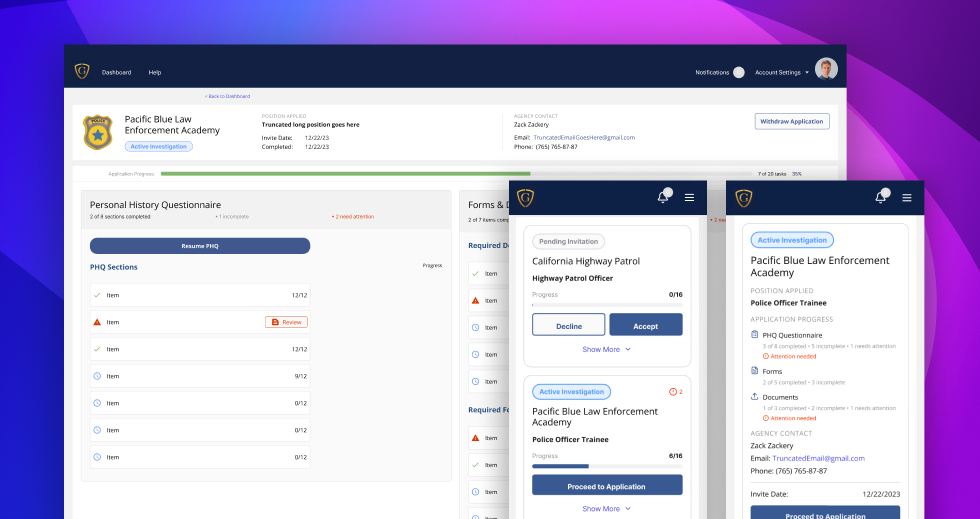
A regulated public-safety platform where features kept shipping but nothing moved forward. The root cause was a permission system that had never been properly designed. Every workflow disagreement traced back to it.

Regulated SaaSStructural DiagnosisWorkflow Architecture
View full story
App Faktor (acquired by ServiceNow)

Enterprise SaaS / Cloud Computing

App Faktor (acquired by ServiceNow)

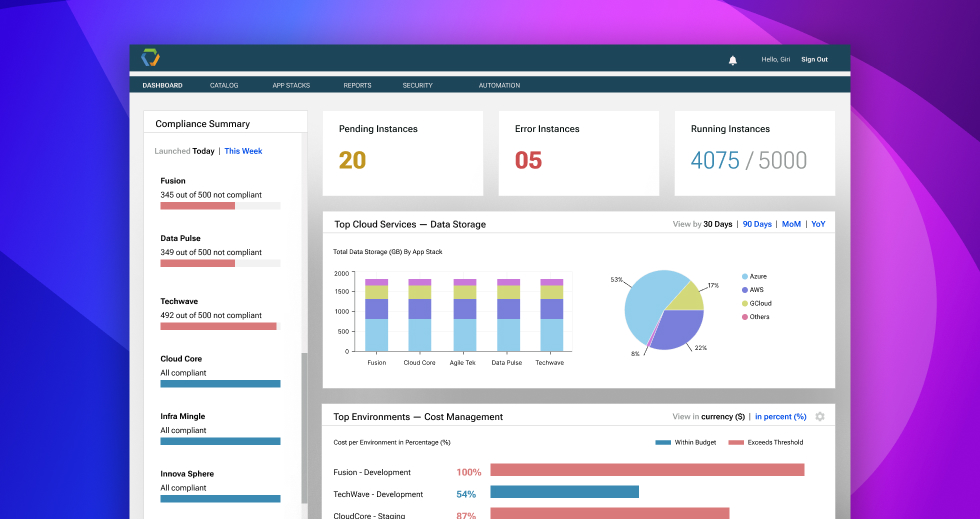
Three user types with completely different jobs to do, sharing one interface that had never been designed around any of them. Assessed the product, mapped the permission layer, consolidated redundant features, established the design system, and rebuilt all three experiences. Eight months later, acquired by ServiceNow.

Enterprise SaaSMulti-Role SystemsPre-acquisitionCloud Platform
View full story
GE Healthcare

Healthcare Technology / Clinical AI

GE Healthcare

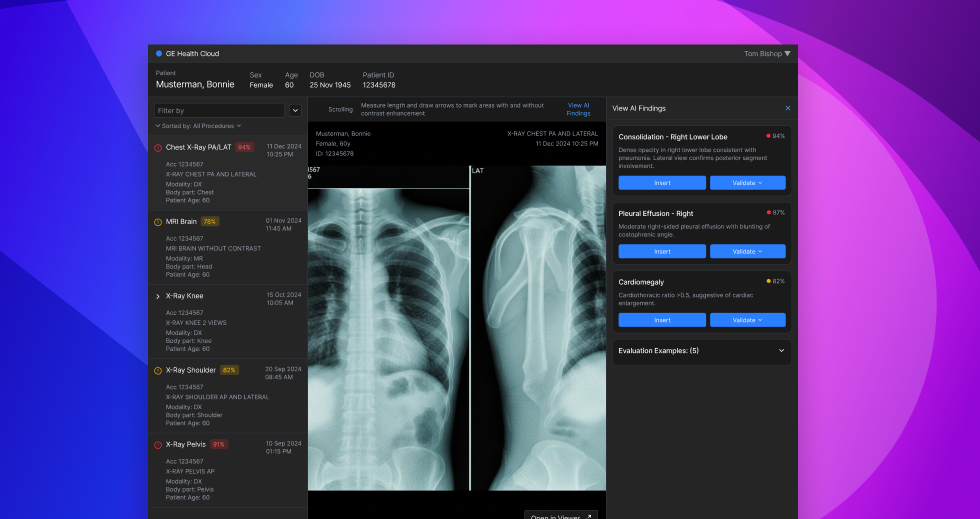
AI was being built into radiology workflows at GE Healthcare, but the product had been designed around engineering assumptions rather than clinical reality. Rebuilt the worklist architecture around how radiologists and clinicians actually work.

HealthcareClinical AIMedical Imaging
View full story

Does this resemble your situation?

One conversation is enough to know if this is the right fit.

Book a call