Back to homepage

Healthcare Technology / Clinical AI

GE Healthcare

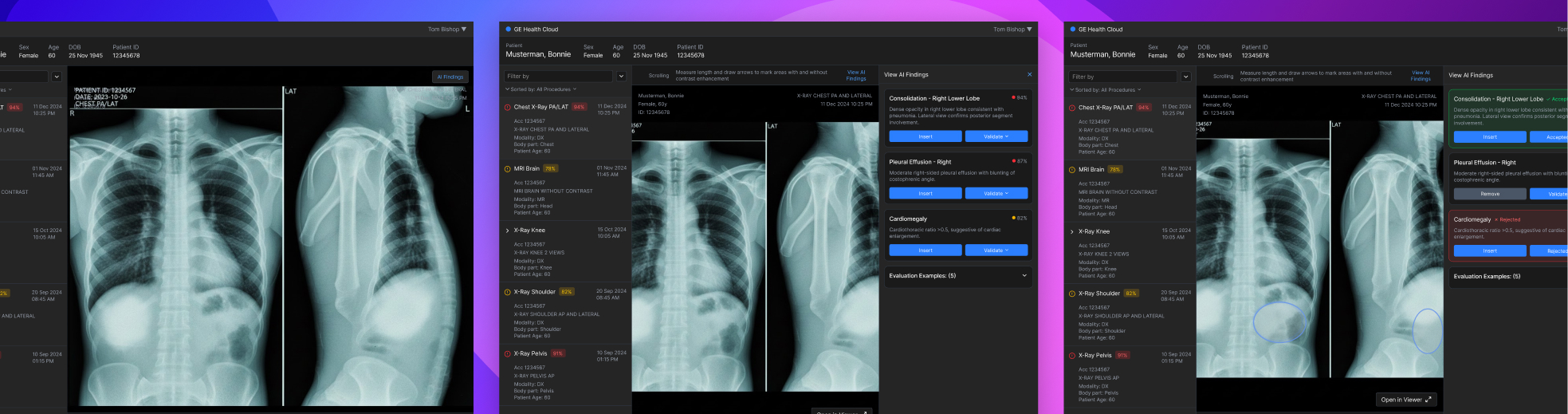
AI was being built into radiology workflows at GE Healthcare, but the product had been designed around engineering assumptions rather than clinical reality. Rebuilt the worklist architecture around how radiologists and clinicians actually work.

HealthcareClinical AIMedical Imaging
GE Healthcare

The challenge

GE Healthcare's AICP initiative was an effort to build AI-assisted clinical decision support directly into the radiology workflow. The AI models were being built and the engineering was underway, but what did not exist was a user experience designed around how radiologists and clinicians actually worked. I was brought in as the sole UX lead with no formal brief into an engineering-led, research-focused team. They had built a functional MVP but had not yet engaged with the clinical workflow questions that would determine whether the product would actually be used. The MVP had been built around a single generic worklist treating every user the same way, in a clinical environment with multiple roles each with different responsibilities and different information needs. Beyond the workflow problem, AI models do not produce certainty, they produce probability assessments, and the design had to communicate AI confidence accurately without overstating it in an environment where clinicians needed to trust the tool enough to act on it while maintaining their own clinical judgment as the final authority.

The approach

I worked across three parallel tracks simultaneously. On the design work, I mapped the clinical workflow from the ground up and redesigned the worklist architecture to serve the distinct needs of each user role: the radiologist working through cases sequentially needed the most urgent AI findings surfaced first, while the ER clinician managing multiple patients simultaneously needed cases organized by patient rather than by case type. I established the severity labeling system with appropriate uncertainty communication built in, working closely with the data scientists to understand where the AI was reliable, where it was uncertain, and how that uncertainty should be communicated visually to a radiologist making a time-sensitive decision. On the process side, the team had shipped an MVP without a design process, so I built that foundation while doing the design work in parallel, including introducing interactive prototyping as a validation tool with the UCSF research team. And as the team grew, I trained the incoming on-site designer on the project, the clinical domain, the methodology, and the design decisions that had already been made.

The outcome

The product moved from an engineering-built MVP with no user-centered foundation to a structured, role-based clinical tool with a coherent design process behind it. The worklist was redesigned around the actual mental models and workflow needs of the two primary user roles. The severity labeling system communicated AI findings with appropriate clinical context and honest uncertainty. The team left the engagement with a design process, a prototyping methodology, and a trained designer who could continue the work. In a clinical AI environment where a poorly designed interface can cause a critical finding to be overlooked or a severity label to be misread, getting the design foundation right is not an enhancement. It is the work.

More work

Guardian Alliance Technologies

Regulated SaaS / Public Safety

Guardian Alliance Technologies

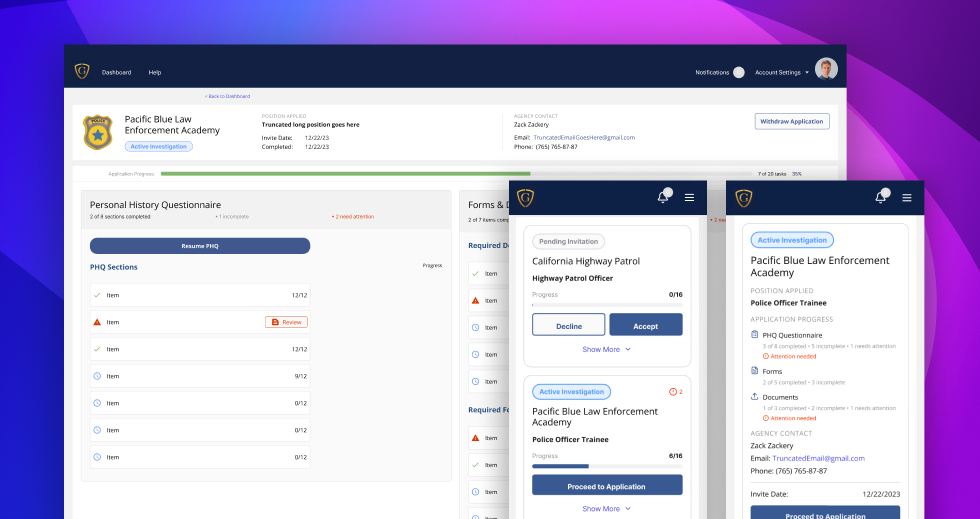
A regulated public-safety platform where features kept shipping but nothing moved forward. The root cause was a permission system that had never been properly designed. Every workflow disagreement traced back to it.

Regulated SaaSStructural DiagnosisWorkflow Architecture
View full story
App Faktor (acquired by ServiceNow)

Enterprise SaaS / Cloud Computing

App Faktor (acquired by ServiceNow)

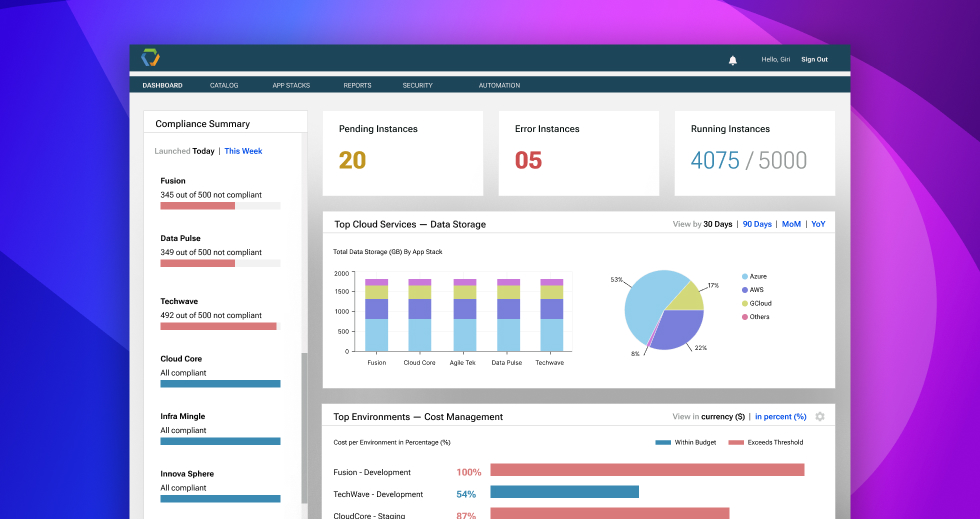
Three user types with completely different jobs to do, sharing one interface that had never been designed around any of them. Assessed the product, mapped the permission layer, consolidated redundant features, established the design system, and rebuilt all three experiences. Eight months later, acquired by ServiceNow.

Enterprise SaaSMulti-Role SystemsPre-acquisitionCloud Platform
View full story
The Hershey Company

Consumer Goods / Enterprise

The Hershey Company

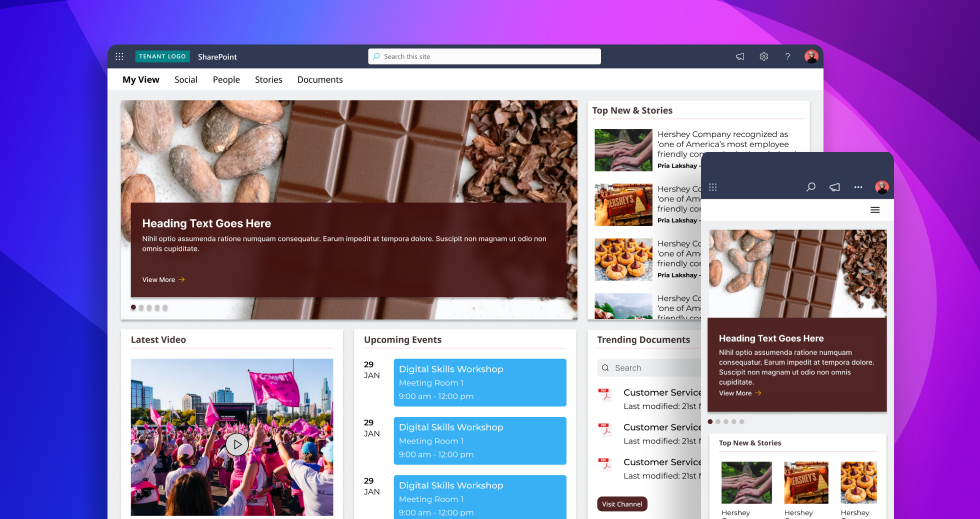
Hershey had employee research for their enterprise intranet but nobody to turn it into a product. Translated it into an information architecture grounded in employee mental models and a prototype that surfaced the decisions the client had not yet made.

EnterpriseIntranetCMS System
View full story

Does this resemble your situation?

One conversation is enough to know if this is the right fit.

Book a call