
Back to homepage

Enterprise SaaS / Cloud Computing

App Faktor (acquired by ServiceNow)

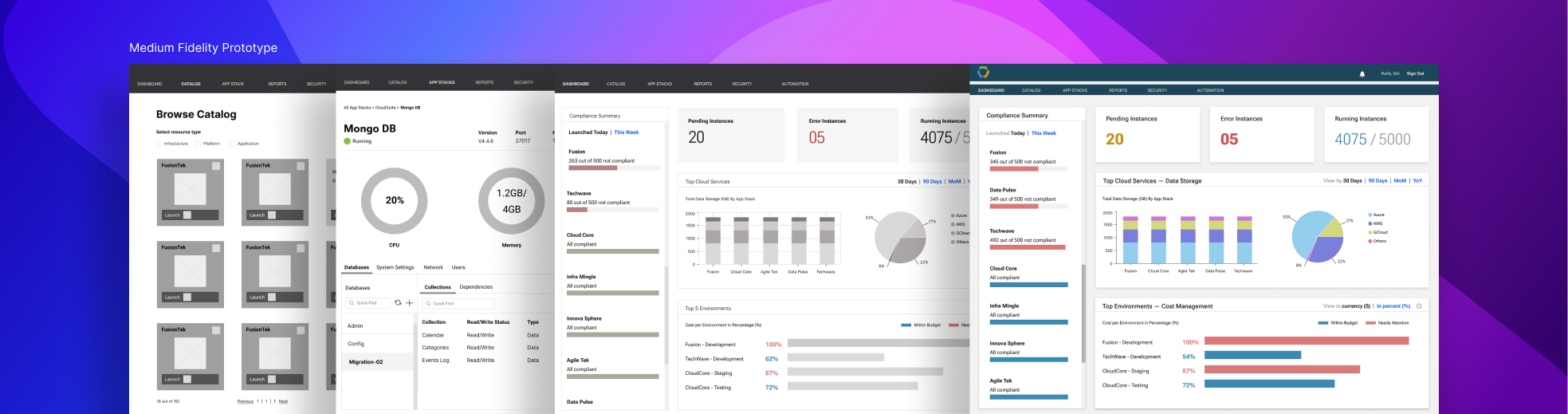
Three user types with completely different jobs to do, sharing one interface that had never been designed around any of them. Assessed the product, mapped the permission layer, consolidated redundant features, established the design system, and rebuilt all three experiences. Eight months later, acquired by ServiceNow.

Enterprise SaaSMulti-Role SystemsPre-acquisitionCloud Platform
App Faktor (acquired by ServiceNow)

The challenge

App Faktor had built a platform that let enterprise organizations discover, assemble, and deploy cloud-based applications. The engineering was solid and the product worked, but the company was in early acquisition discussions and needed the product in the best possible shape before any deal could move forward. What the initial assessment uncovered was that App Faktor was not one product. It was three completely different experiences living inside the same interface with no clear separation between them: non-technical enterprise employees browsing the catalogue like an app store, enterprise architects assembling and configuring applications with genuine technical depth, and managers overseeing cloud instances and monitoring usage with dense operational data. Three different users, three different jobs, three different levels of technical sophistication, and one interface that had never been deliberately designed around any of them.

The approach

I ran the visual work and the analytical work in parallel. For the catalogue view, I designed a clean consumer-facing interface that matched the mental model of a non-technical user browsing for tools. For the monitoring dashboard and instance overview, I worked through the data density problem properly: which metrics actually mattered to the manager persona, where they looked first, what decisions the data needed to support. As the visual work progressed, I ran a feature audit across the entire platform, mapping every feature against the three user personas and asking for each one who it was for, where it lived, and whether something elsewhere in the product already did the same thing. Features built for architects had drifted into the catalogue experience. Monitoring data was surfacing where non-technical users would encounter it without context. I consolidated what could be consolidated, removed what served no clear user need, reorganized what remained around the three distinct experiences, and established a design system with shared components and consistent interaction patterns.

The outcome

The product came out of the engagement cleaner, more coherent, and better organized around how its different users actually thought and worked. The visual language was consistent across three fundamentally different interface types. Redundant features had been removed. The design system gave the team shared patterns to build from going forward. Eight months after the engagement ended, App Faktor was acquired by ServiceNow. Clean, coherent products are easier to evaluate, easier to pitch, and easier for a potential acquirer to understand quickly.

More work

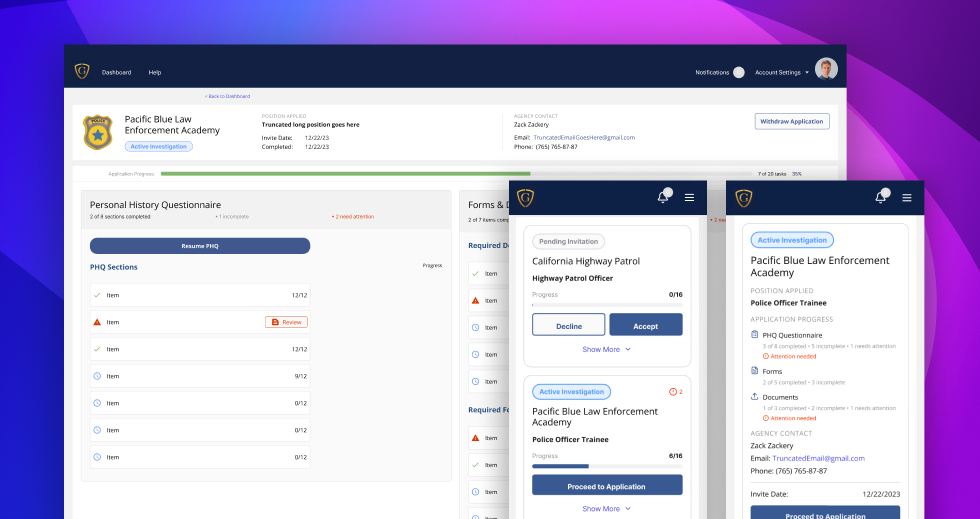
Guardian Alliance Technologies

Regulated SaaS / Public Safety

Guardian Alliance Technologies

A regulated public-safety platform where features kept shipping but nothing moved forward. The root cause was a permission system that had never been properly designed. Every workflow disagreement traced back to it.

Regulated SaaSStructural DiagnosisWorkflow Architecture
View full story
GE Healthcare

Healthcare Technology / Clinical AI

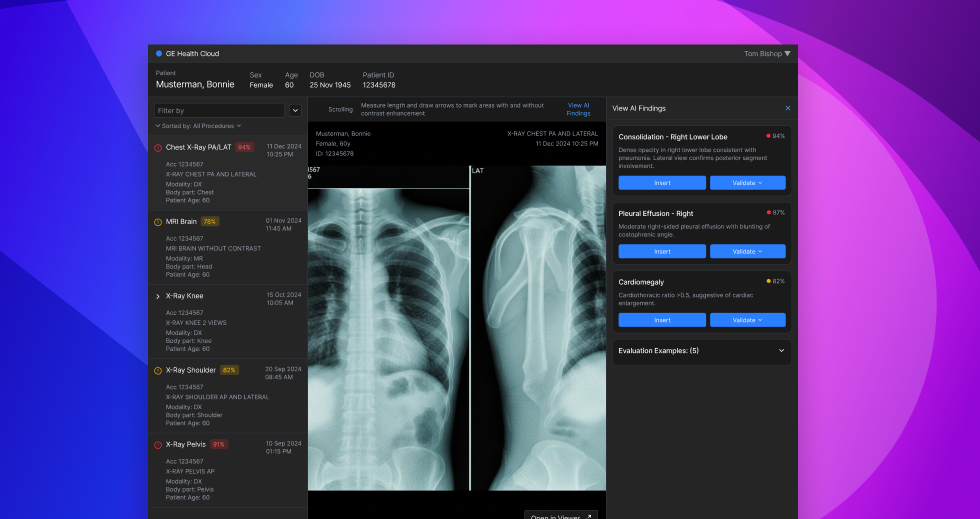
GE Healthcare

AI was being built into radiology workflows at GE Healthcare, but the product had been designed around engineering assumptions rather than clinical reality. Rebuilt the worklist architecture around how radiologists and clinicians actually work.

HealthcareClinical AIMedical Imaging
View full story
The Hershey Company

Consumer Goods / Enterprise

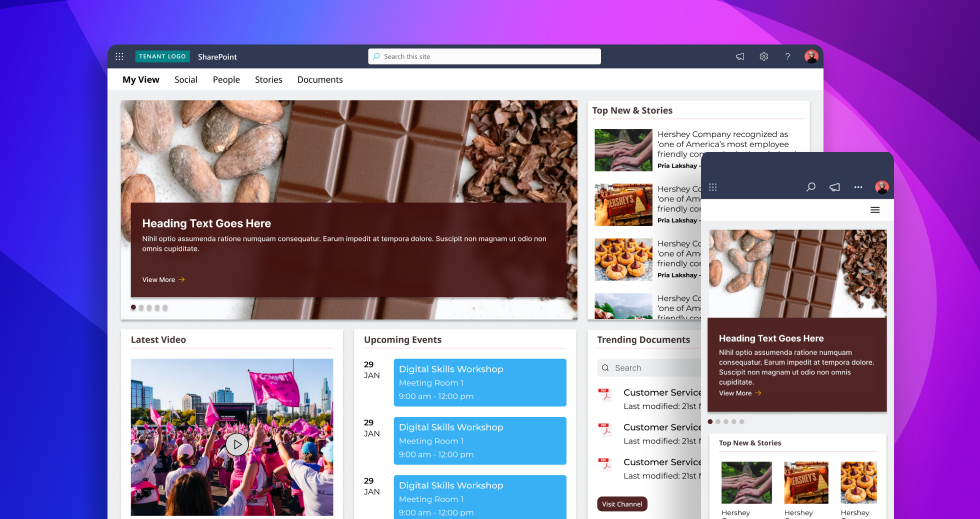
The Hershey Company

Hershey had employee research for their enterprise intranet but nobody to turn it into a product. Translated it into an information architecture grounded in employee mental models and a prototype that surfaced the decisions the client had not yet made.

EnterpriseIntranetCMS System
View full story

Does this resemble your situation?

One conversation is enough to know if this is the right fit.

Book a call